

Release agents for plastic moulding of polymers and technopolymers

Release agents for plastics are release products used in moulding processes to ensure effective and consistent part release. They reduce adhesion between mould and material, improve surface quality and optimise production cycles.

They are essential in industrial processing where precision, production continuity and waste reduction are required.

Our products

Our release agents for plastics

Our range of release agents for plastics is designed to deliver high performance in industrial moulding processes. Ideal solutions to improve efficiency and quality.

Uniform, controlled release
Consistent product quality
Reliability across continuous cycles

Release Agents for Plastics

DST SL 3 VEMA Chemical

DST SL 3

Release agent for thermoplastic material molding. Special solvent-based release agent free from classic silicone oils.

  • Special solvent-based, free from silicone oils
  • Excellent release in the thermoplastic sector
  • Paintable product
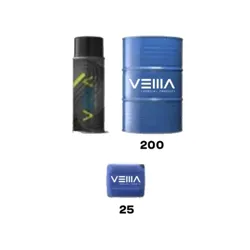
LIQ AER Formats: 25L, 200L Scheda Tecnica PDF
DST EPX 50 VEMA Chemical

DST EPX 50

Release agent for thermoplastic material molding. Special solvent-based release agent free from classic silicone oils.

  • Special, free from classic silicone oils
  • Excellent release in the thermoplastic sector
  • Paintable product
Issues

Common issues in plastic moulding

In plastic moulding processes, using an inadequate release agent can cause several issues that affect part quality and production efficiency.

The most frequent problems include material adhesion to the mould, difficulty in part ejection, surface defects and accumulation of residues that compromise the quality of the moulded item.

These issues are particularly common in continuous or high-precision production cycles, where uniformity and process repeatability are required. Using release agents specifically designed for plastics improves demoulding, reduces waste and keeps mould surfaces clean.

Real cases

Real-world plastic moulding problems and how to avoid them

In plastic moulding, one of the most common problems is the difficulty of part ejection from the mould, especially with complex surfaces or high-viscosity materials.

Material sticking to the mould can cause surface defects, deformations or part breakage, compromising final product quality. Residue build-up on mould surfaces also reduces precision and increases maintenance needs.

In continuous production cycles these problems translate into more waste, slowdowns and machine downtime. Using release agents specifically designed for plastics improves demoulding, reduces adhesion and keeps surfaces clean over time.

Advanced formulations also ensure consistent performance even under complex operating conditions.

Differences

Release agents for plastics: silicone vs non-silicone

In plastic moulding, the choice between silicone and non-silicone release agents directly affects the surface quality of the part and compatibility with downstream processing.

Silicone-based

They offer good release performance and are used in general applications, but may leave residues that interfere with painting, bonding or surface treatments.

Non-silicone

A more suitable solution for technical applications: they ensure clean surfaces compatible with downstream processing. Advanced formulations enable uniform demoulding and greater stability across production cycles.

The choice of release agent therefore depends on the type of plastic material, process conditions and the level of finish required.

Decision

Release agents for plastics: when to use non-silicone

In plastic moulding, silicone release agents are widely used for their release capability but can create limitations in downstream stages of the process.

Silicone residues can interfere with painting, bonding or surface treatments, reducing adhesion and compromising final product quality. For this reason, non-silicone release agents are preferred in technical applications.

These formulations deliver clean surfaces compatible with downstream processing while maintaining good release performance. They are particularly recommended in automotive, electronics and advanced industrial sectors where high quality standards are required.

Polymers

Release agents for plastics: differences between polymers and moulding behaviour

In plastic moulding, the behaviour of the material directly affects the choice of release agent. Different polymers have specific characteristics in terms of adhesion, viscosity and processing temperature.

Polyolefins (PP, PE)

Polypropylene (PP) and polyethylene (PE) tend to have lower adhesivity, but can still create release issues with complex geometries or intensive cycles. Release agents must ensure uniformity and continuity over time.

Engineering polymers (ABS, PC, PA)

ABS, polycarbonate (PC) or nylon (PA) require more attention: they process at higher temperatures and tend to stick to the mould more strongly. High-performance release agents are preferred to withstand operating conditions and keep surfaces clean.

Selecting the right release agent for each material improves part quality, reduces waste and ensures greater stability in production cycles.

Optimisation

Optimising the moulding process with release agents

The correct use of a release agent optimises the entire plastic moulding process, improving not only demoulding but also overall production efficiency.

Uniform, controlled application reduces friction between mould and material, improves surface quality and limits mould wear.

Using high-performance products also reduces application frequency and ensures consistent performance over time. Integration of the release agent into the production process should be evaluated based on material, mould geometry and operating conditions to deliver maximum quality and productivity.

Applications

Applications of release agents for plastics in industrial moulding

Release agents for plastics are used in many industrial moulding processes where precision, surface quality and production continuity are essential:

  • Industrial technical components
  • Automotive plastic parts
  • High-precision moulded items
  • Continuous-cycle processes
  • Thermoplastics and engineering polymers

Using the correct release agent improves finished product quality, reduces waste and optimises overall production performance, even on complex geometries.

Definition

What are release agents for plastics

Release agents for plastics are formulations designed to create a barrier between the mould and the material during moulding, reducing adhesion and facilitating part ejection.

They allow uniform surfaces, reduce defects and improve process repeatability even under complex operating conditions.

They are used in moulding of plastics and engineering polymers across various industrial sectors where high quality and precision are required.

How to choose the right release agent for plastics

Choosing the most suitable release agent for plastics depends on several technical factors related to the material and the production process. A careful technical evaluation makes it possible to optimise demoulding, reduce waste and maintain consistent product quality.

Plastic material
Different polymers behave differently during moulding. It is important to choose a release agent compatible with the material to ensure effective demoulding and good surface quality.
Process conditions
Temperature, pressure and cycle time affect release agent performance. In intensive processes it is necessary to use stable, resistant products that maintain consistent performance.
Required finish
If the part is to be painted, bonded or undergo surface treatments, it is essential to use non-silicone release agents to avoid contamination and ensure surfaces compatible with downstream operations.
Mould geometry
Complex moulds or moulds with critical details require release agents that ensure uniform release even in the most challenging areas, preserving finished part quality.

A careful technical evaluation of these factors makes it possible to optimise the moulding process and improve final product quality.

Technical support for release agents for plastics

We analyse the production process and materials used to identify the most effective release agent. Contact us for personalised consultancy.

Contact us