
Release agents for rubber moulding | EPDM and NBR elastomers

Release agents for rubber are release products designed to facilitate demoulding in elastomer moulding processes. They prevent adhesion between mould and material, improving the quality of the finished part and increasing production efficiency.

They are used in numerous industrial applications where reliability, high-temperature resistance and continuity in production cycles are required.

Our products

Our release agents for rubber

Non-silicone fluorinated release agents, designed for moulding rubber and technical elastomers. Compatible with EPDM, nitrile and butyl rubber, they leave no carbon residues and are suitable for continuous industrial processes.

Non-silicone fluorinated
No carbon residues
Compatible with downstream processing

Release Agents for Rubber

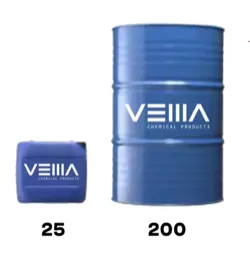
OSAKA 100 VEMA Chemical

OSAKA 100

Release agent for rubber injection moulding. Synthetic compound, non silicone, antiadhesive action.

  • Non-silicone synthetic compound with fluorinated base
  • Ideal for butyl, nitrile, EPDM, plastics and thermoplastics
  • Leaves no carbon residue - FDA compliant ingredients
LIQ AER Sizes: 25L, 200L
DST EPX 100 VEMA Chemical

DST EPX 100

Release agent for rubber injection moulding. Synthetic compound, non silicone, antiadhesive action.

  • Non-silicone synthetic compound with fluorinated base
  • Ideal for butyl, nitrile, EPDM, plastics and other materials
  • Leaves no carbon residue - FDA compliant ingredients
LIQ
Issues

Common issues in rubber moulding

In rubber moulding processes, several issues can affect product quality and production efficiency. Using an inadequate release agent can compromise demoulding and generate defects even under controlled operating conditions.

The most frequent problems include difficult demoulding with elastomers such as EPDM and nitrile, material adhesion to the mould under high temperature and pressure, formation of carbon residues, surface defects and increased waste.

These issues become particularly relevant in continuous cycles, where even small inefficiencies generate downtime, productivity loss and higher operational costs. The use of high-performance release agents for rubber significantly reduces these problems, improving process stability and the final quality of the moulded part.

Real cases

Real-world rubber moulding problems and how to avoid them

In industrial rubber moulding, one of the most frequent issues is material sticking to the mould, especially under high temperature and pressure. This phenomenon can cause surface defects, part deformation and demoulding difficulties.

Another common problem is the formation of carbon residues that build up on mould surfaces over time, reducing the quality of the finished product and requiring frequent cleaning and maintenance.

In continuous production cycles, even small inefficiencies translate into machine downtime and higher operating costs. Using high-performance release agents significantly reduces these problems, improving process stability and overall productivity.

Choosing semi-permanent or fluorinated formulations also reduces application frequency and ensures consistent performance over time.

Differences

Release agents for rubber: silicone vs non-silicone

In rubber moulding, the choice between silicone and non-silicone release agents is a key factor, as it directly affects part quality and compatibility with downstream processing.

Silicone-based

They offer high release performance and good resistance to high temperatures, making them effective in many industrial applications. However, they may leave residues on the part surface that compromise downstream operations such as painting or bonding.

Non-silicone and fluorinated

A more advanced solution for technical applications. They guarantee clean, contamination-free surfaces, compatible with downstream processing, ideal for moulding technical elastomers and intensive production cycles.

The choice between these types depends on process requirements, the type of elastomer used and the need to obtain perfectly clean and workable surfaces.

Decision

When to choose non-silicone release agents

In rubber moulding, silicone release agents provide excellent release performance but can create issues in downstream operations.

Silicone residues can compromise operations such as painting, bonding or surface treatments. For this reason, many industrial applications favour non-silicone or fluorinated release agents.

These formulations deliver clean surfaces, reducing the risk of contamination and improving final product quality. They are particularly suitable in automotive, technical and advanced industrial sectors where high quality standards are required.

Elastomers

Release agents for rubber: differences between EPDM, NBR and FKM

In rubber moulding, the choice of release agent is closely linked to the type of elastomer used. Materials like EPDM, NBR (nitrile) and FKM behave very differently during vulcanisation and require specific formulations to ensure effective demoulding.

EPDM

Good thermal and chemical resistance, but tends to stick to the mould under high temperature and prolonged cycles. Requires release agents with high thermal stability and good resistance to degradation.

Nitrile (NBR)

Higher adhesivity than other elastomers, especially with oils and additives. High-performance, often non-silicone or fluorinated agents are preferred to deliver clean surfaces and downstream compatibility.

FKM (fluoroelastomers)

Require specific high-temperature release agents that maintain performance under extreme operating conditions. Avoiding carbon build-up and ensuring continuity in production cycles is essential.

Selecting the right release agent for each material reduces waste, improves surface quality and extends mould life.

Applications

Applications of release agents for rubber

Release agents for rubber are used in many industrial sectors and production processes where efficiency, quality and operational continuity are essential:

  • EPDM gaskets
  • Nitrile rubber (NBR) components
  • Technical elastomers for automotive
  • High-precision complex parts
  • High-intensity continuous cycles
Definition

What are release agents for rubber

Chemical formulations that create a barrier between the mould and the elastomer during vulcanisation.

They reduce adhesion and allow the part to release without damaging surfaces or complex geometries, preserving the quality of the moulded item even in delicate processes.

Used in moulding of EPDM, NBR (nitrile), SBR and other technical elastomers in high-intensity production environments.

How to choose the right release agent for rubber

Choosing the most suitable release agent for rubber is a key factor for product quality, production continuity and overall process efficiency. An incorrect selection can cause demoulding issues, surface defects and increased waste. To identify the most effective release agent, several technical parameters must be considered.

Elastomer
Materials such as EPDM, NBR (nitrile), FKM or silicone behave differently during moulding. Each elastomer requires specific formulations to ensure thermal resistance, release performance and process compatibility.
Temperature and process conditions
Temperature, pressure and cycle time directly affect release agent performance. In high-temperature processes it is essential to use stable products that resist degradation and maintain consistent performance over time.
Mould
Geometry and surface finish of the mould affect the choice of release agent. Complex moulds or critical surfaces require high-performance products that ensure uniform demoulding without defects.
Downstream processing
If the part is to be painted, bonded or treated downstream, non-silicone release agents are required to leave no residues and ensure clean, compatible surfaces.
Production continuity
In intensive production cycles, semi-permanent or fluorinated release agents are preferred: they enable multiple cycles per application, reduce machine downtime and improve overall efficiency.

A careful technical evaluation of these factors makes it possible to identify the most suitable release agent for rubber, optimising the moulding process and improving final product quality.

Technical support for release agents for rubber

We analyse materials and process to identify the most effective solution. Contact us for personalised consultancy.

Contact us